Learn 5 Gardening Skills You Can Turn Into a Home-Based Business
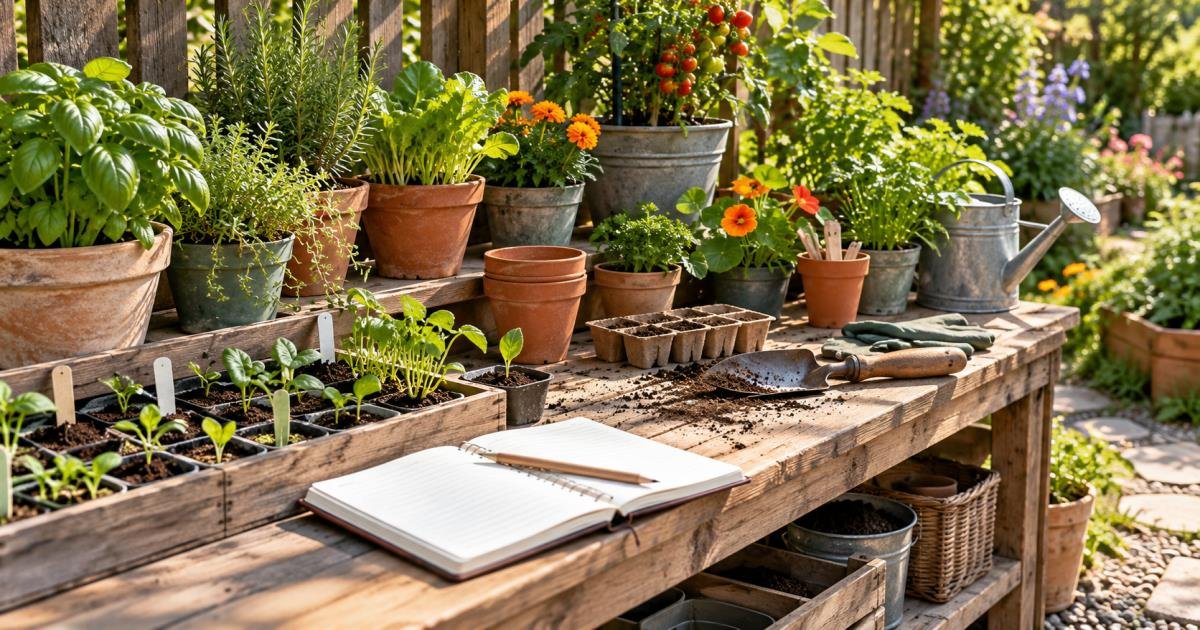
Gardening knowledge can be useful far beyond your own yard. If you enjoy observing plants, planning small spaces, or helping neighbors solve everyday growing problems, you can begin building practical skills at home. A small balcony, windowsill, patio, or backyard is enough for early practice. Turning a skill into paid work, however, requires more than enthusiasm: local rules, insurance, licenses, plant-sale restrictions, and the scope of work can vary by state, county, and city.
This guide is about learning responsibly, not a promise of income or certification. Start with one area, keep records of what you test, use reliable horticultural sources, and learn when a project requires a licensed landscape, irrigation, tree-care, or pesticide professional.
1. Home Garden Designer
A home garden designer helps a household think through a usable planting area. At the beginner level, that might mean sketching a front-bed refresh, choosing plant sizes that fit a small yard, or arranging containers around a patio. Good design starts with observation rather than a plant list. Track sun exposure through the day, measure the space, note drainage, identify existing plants, and ask how the household wants to use the area.
Practice at home with graph paper, a tape measure, colored pencils, and photos taken from several angles. Draw a simple plan that includes paths, windows, utilities, mature plant size, and room for maintenance. Learn basic color and texture combinations, but prioritize plants that suit the site's light, soil, and climate. State university extension services are a practical source for local plant recommendations and regional growing information.
A home-based learner can build a portfolio with before-and-after plans for their own space, a container grouping, or a volunteer project done with permission. Advising on routine plant placement may be distinct from designing structures, grading, drainage, electrical lighting, irrigation systems, or work requiring permits. Check local requirements before offering services, and use written project scopes so a client understands what is—and is not—included.
2. Plant Propagation Specialist
Propagation is the practice of making new plants from seeds, cuttings, divisions, or other methods suited to a species. It rewards patience and careful observation. A simple home setup can begin with clean pots or cell trays, an appropriate propagation medium, labels, a bright location or suitable grow light, and a way to monitor moisture. The cost varies widely because many gardeners already own containers and tools; avoid buying specialized equipment until you understand the plants you want to propagate.
Start with plants known to respond well to a beginner method, then follow reputable species-specific guidance. Record the date, plant name, cutting method, medium, light, watering observations, and outcome. Good sanitation matters: clean tools and containers help reduce the spread of disease. Roots need moisture and air; keeping a medium constantly waterlogged can cause rot instead of growth.
This skill can be practiced entirely at home, but selling plants may involve local business registration, nursery, tax, invasive-species, or plant-health rules. Never collect or propagate protected, patented, or wild plants without knowing the applicable restrictions. A local extension office, state department of agriculture, or horticultural society can point you toward relevant guidance. The first goal is consistent, healthy propagation—not producing a large quantity quickly.
3. Container Gardening Specialist
Container gardening is useful for apartment balconies, patios, rental homes, and small yards. A specialist learns how pot size, drainage, sunlight, plant selection, and watering work together. Practice by growing one herb container, one flowering container, and one foliage-focused arrangement in locations with different light. Use containers with drainage holes and saucers or stands that protect surfaces below them.
Choose a growing medium designed for containers rather than digging soil from the yard, which can compact in pots and may carry weed seeds or disease. Read the plant label for light and mature size. Small pots dry quickly in hot weather, while overly large containers can stay wet too long for some plants. A simple moisture check with a finger and regular observation are better starting tools than a rigid watering schedule.
At home, practice matching a “thriller, filler, spiller” style arrangement only if it suits the plant requirements; an attractive mix still needs compatible light and water needs. Learn to recognize wilt from heat, dry soil, pest damage, and root problems before recommending a fix to someone else. Off-site consulting should stay within your demonstrated knowledge, and any pesticide use, installation, or access to a multi-unit building may involve rules beyond ordinary gardening advice.
4. Vegetable Garden Consultant
A vegetable garden consultant can help beginners plan a small edible garden that fits their climate, space, and schedule. Build the skill first in a modest bed or container garden. Learn the difference between cool-season and warm-season crops in your region, how much direct light common vegetables need, and why a planting calendar from a local extension service is more reliable than general advice from another climate.
Basic materials may include containers or a small bed, clean compost or an appropriate growing medium, seeds or starts, labels, a watering tool, and simple support for climbing crops. Soil testing through a local extension program can provide more useful information than guessing which amendment is needed. Keep notes on planting dates, varieties, weather, pests, harvests, and failures. Those records teach planning more effectively than one successful season.
When helping another household, ask about sunlight, water access, pets, children, and the time available for maintenance. Do not promise yields or claim that one method will work everywhere. Food safety, local water restrictions, property rules, and use of fertilizers or pesticides can all affect the advice that is appropriate. Begin with a small, maintainable plan and explain what the gardener will need to monitor after installation.
5. Garden Maintenance Professional
Garden maintenance involves regular care such as weeding, watering checks, mulching, deadheading, seasonal cleanup, and monitoring for plant problems. It is different from tree work, structural landscaping, irrigation repair, or pesticide application, which may require specialized training, licensing, insurance, or permits. Learn the boundaries before offering any service.
Practice by creating a weekly checklist for your own garden. Check soil moisture before watering, remove weeds before they set seed, inspect leaves for changes, and keep tools clean. Learn correct pruning timing for the specific plant rather than trimming everything at once; an improper cut can harm flowering, growth, or plant health. University extension publications and botanical gardens are useful places to learn plant identification, pruning principles, and integrated pest management.
For any client-facing work, set clear expectations about the visit, disposal of green waste, weather delays, and tasks that require referral. General liability insurance, local business registration, and worker-safety considerations may apply even to small jobs. Requirements vary, so verify them with the city, county, state, insurer, and any property manager before accepting work.
Build Skills at Home Before Serving Others
Choose one skill for a season and create a small learning project. Photograph the starting conditions, make a plan, save receipts for supplies, record failures as well as successes, and compare your observations with extension guidance. A simple portfolio can show your thought process without making claims you cannot support. It also helps you decide whether you enjoy planning, plant care, teaching, or ongoing maintenance.
Reliable learning sources include Cooperative Extension programs, public botanical gardens, Master Gardener programs, and professional horticultural organizations. Their region-specific recommendations are often more useful than generic social-media advice. If you later work with clients, continue learning about local regulations, accessibility, safety, and honest communication.
Set Sensible Early Boundaries
When you are learning, use projects that are easy to supervise and reverse. A few containers, a small vegetable bed, or a simple planting sketch are safer starting points than work near utility lines, large trees, retaining walls, or complex drainage. Tell a neighbor or client when something is outside your experience, and refer work involving electrical systems, structural construction, large-tree pruning, irrigation repairs, or regulated chemicals to the appropriate professional.
Keep basic records if you buy supplies or offer a small service: what was purchased, where materials came from, when work was completed, and what care instructions were shared. Clear written communication helps prevent misunderstandings. It also makes it easier to compare the true time and material needs of a project without treating an estimate as a guaranteed result.
Learn From Each Season
Gardening changes with weather, local pests, and the maturity of the plants. Review your notes at the end of each season and identify one skill to improve next: reading sunlight, watering containers, choosing plant spacing, pruning at the proper time, or explaining a maintenance task clearly. Steady practice creates more reliable knowledge than trying to master every type of garden at once.
Which Gardening Career Would You Like to Explore First?
Consider which part of gardening holds your attention: creating a plan, multiplying plants, designing containers, growing food, or maintaining a healthy space. Begin with a manageable home project and use the results to guide your next lesson. Continue with the container garden guide, the beginner houseplant care guide, and the plant selection guide as those articles are developed in the Hearth & Garden Guide library.