5 Easy DIY Ideas to Make Your Home Beautiful and Cozy on a Budget
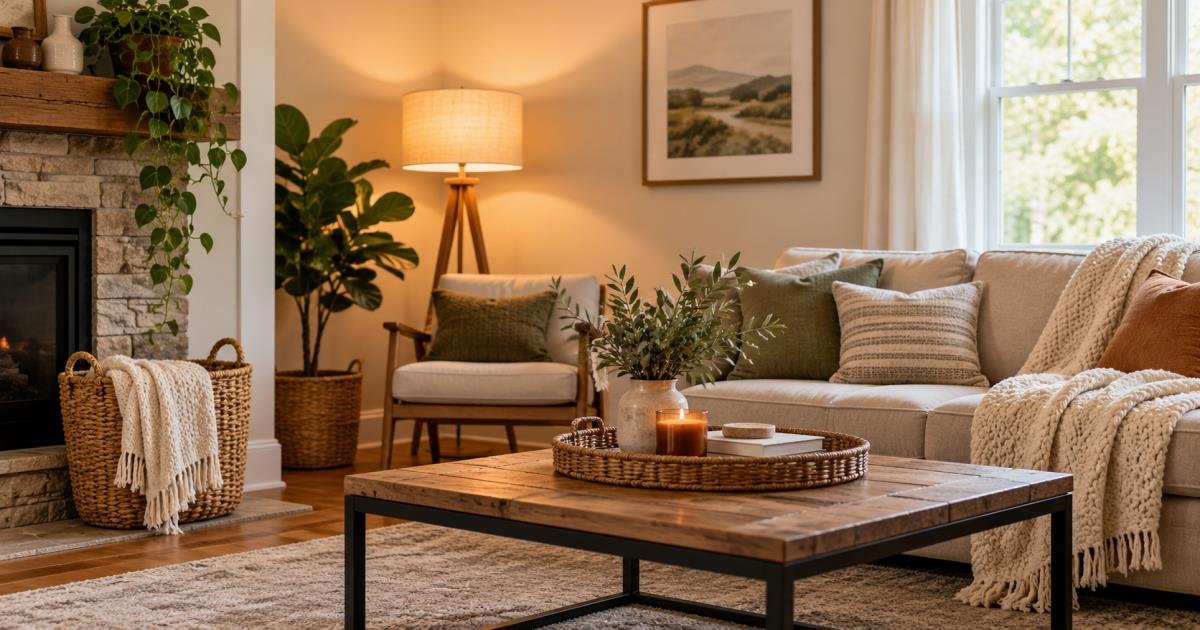
A comfortable home is usually built from small, deliberate choices rather than a single expensive makeover. Before buying anything, look at the room you use most and ask one practical question: what would make this space easier to enjoy tonight? A warmer light source, a softer place to sit, a plant near a window, or a cleared surface can change the feeling of a room without a renovation.
This guide focuses on beginner-friendly projects that can be adapted to apartments, starter homes, and shared spaces. Costs vary by location, material, and what you already own, so treat any purchase as optional. Start with one idea, test it for a week, and keep only the changes that make daily life feel better.
1. Transform Your Living Room With Cozy Lighting
Overhead lighting is useful for cleaning and finding things, but it is not always the most comfortable choice for relaxing. Add light at more than one height: a floor lamp near a chair, a small table lamp beside the sofa, or a plug-in wall light where permanent wiring is not practical. This creates pools of light instead of one bright source from the ceiling.
Begin with the lamp you already have. Replace a harsh or mismatched bulb only after checking the fixture's maximum wattage and the bulb package. Many households prefer warm-white bulbs in living spaces because they can feel less stark in the evening, while task areas may need brighter light. Look for bulbs with a color temperature and brightness that suit the task; do not rely on a product name alone.
For a simple no-renovation project, place a lamp beside the seat used most often, route the cord so it is not a trip hazard, and add a timer or smart plug only if you are comfortable following its instructions. A basic lamp shade, a thrifted side table, or a second-hand floor lamp can be a low-cost option, but inspect cords, plugs, and stability before using any used electrical item. Never overload an outlet or hide extension cords under rugs.
Try this: turn off the overhead light one evening and use two smaller lamps. Does the room still work for reading, conversation, and walking safely? If not, add light where it is needed rather than buying decorative lighting for every corner.
2. Decorate With Plants and Natural Elements
Plants, wood, woven fibers, and simple stone or ceramic pieces can add texture without making a room feel crowded. Start with light, not with a shopping list. A bright windowsill may support a different plant than a shelf several feet away. Read the care label, check the light direction over several days, and choose a plant whose needs fit that location and your watering habits.
A beginner can often start with one healthy plant in a pot with drainage, a saucer that protects the surface below it, and a simple watering reminder. Watering on a fixed calendar is not always ideal: check the soil and the plant's care instructions first. If the home includes pets or young children, verify that a plant is appropriate for that household before bringing it inside.
Natural elements do not need to be living. A wooden tray can group remotes and a candle holder, a basket can hold blankets, and a framed botanical print can add the same visual calm with almost no maintenance. Use materials that are easy to clean and do not collect dampness. A fallen branch, stones, or dried materials gathered outdoors may carry insects or moisture, so clean and dry them carefully before displaying them.
3. Create Beautiful DIY Wall Decorations
Wall decor works best when it has a plan. Begin by choosing one wall and laying the arrangement on the floor first. A gallery wall can use family photos, public-domain art prints, children's drawings, postcards, or inexpensive frames in a limited color palette. The pieces do not have to match perfectly; they should have a shared scale, color, or subject that makes the collection feel intentional.
Measure the wall and mark positions with painter's tape before making holes. Use hardware rated for the weight of the frame, and follow its instructions for the wall type. In a rental, review the lease before using nails, adhesive strips, or shelves. Removable strips can be helpful for lightweight art, but they are not suitable for every surface or weight, and removal directions matter.
Floating shelves can display a few books, a small plant, or a framed photo, but they require secure mounting. For a beginner, framed art is often the lower-risk project. Another option is a large inexpensive poster in a simple frame or a fabric panel hung from a removable rod. Avoid filling every empty wall; a little blank space lets the pieces you choose stand out.
4. Make Your Bedroom Feel Like a Cozy Retreat
A bedroom becomes more restful when it supports sleep and makes the beginning and end of the day easier. Start with what is visible from the bed: laundry piles, charging cords, a crowded nightstand, and bright light can all make the room feel less calm. Use the organization ideas in the small bedroom guide to clear a path and give everyday items a home before adding decorative layers.
Then work from the bed outward. Washable pillow covers, one throw blanket, and a simple bedspread can bring in color and softness without replacing all bedding. Choose fabrics you can maintain, especially in a household with children or pets. Curtains can improve the feeling of a room, but measure the window first and keep fabric clear of heaters, radiators, or anything that creates a fire risk.
Color does not require repainting. A neutral room can feel warmer with a muted pillow cover, a framed print, a small rug, or a wood-toned tray. If you do paint, test a sample in the room at different times of day and follow ventilation, preparation, and property rules. For renters, removable choices are usually a safer first step than a permanent change.
5. Refresh Your Home With Affordable Decorative Details
Small details are most effective when they solve a real problem. A washable runner can protect an entry floor, a basket can contain blankets, and a tray can turn a scattered coffee table into a usable surface. Look around before shopping: a basket from another room, a clean glass jar, a stack of books, or a folded throw may already be enough to create a focal point.
Rearranging furniture is another low-cost option. Move a chair closer to a lamp, create a clear path between the sofa and doorway, or pull the furniture a few inches away from the wall when the room allows. Test the layout before buying anything. The arrangement should support conversation, storage, outlets, and safe walkways—not only look good in a photograph.
Set a small project budget before you browse. Include supplies such as picture hooks, paint samples, a pot saucer, or a light bulb, not just the main item. Thrift stores, neighborhood swap groups, and seasonal sales can offer useful options, but a lower price does not make an item a good fit. Inspect furniture for stability and pests, and leave behind pieces that would require an unrealistic repair.
Put the Five Ideas Into a Weekend Plan
Choose one room and one or two ideas for the first weekend. On day one, declutter the visible surfaces, measure the area, and gather what you already have. On day two, arrange the lighting, add one natural element, or hang one small group of art. Leave time to clean up and evaluate the result. A small finished improvement is more useful than five half-started projects.
If the home feels busy, begin with the living room or bedroom and use a short reset routine afterward. The weekly home reset guide can help protect the progress so decorative details do not become more things to manage.
Keep the Result Comfortable, Not Crowded
After each project, remove one thing if the room starts to feel overfilled. A cozy home still needs clear tabletops, open walking space, and enough storage to return daily items. Take a quick photo before and after a change if it helps you see whether the new arrangement is improving function or only adding visual noise.
Seasonal updates can be simple too. Switch a pillow cover, move a plant to a brighter location, or change a throw blanket instead of buying an entirely new room of decor. Reusing the same basics in a new arrangement keeps the project affordable and makes it easier to maintain.
Which Cozy Home Idea Will You Try First?
Choose the idea that solves the clearest problem in your home: gentler lighting for the living room, one plant for a bright corner, a personal wall display, a calmer bedroom, or a useful decorative detail. Notice how that one change affects the way you use the room, then build from there. For more practical next steps, explore the decluttering guide, the budget closet organization guide, and the rest of the Hearth & Garden Guide library.