How to Organize a Small Bedroom for Better Daily Function
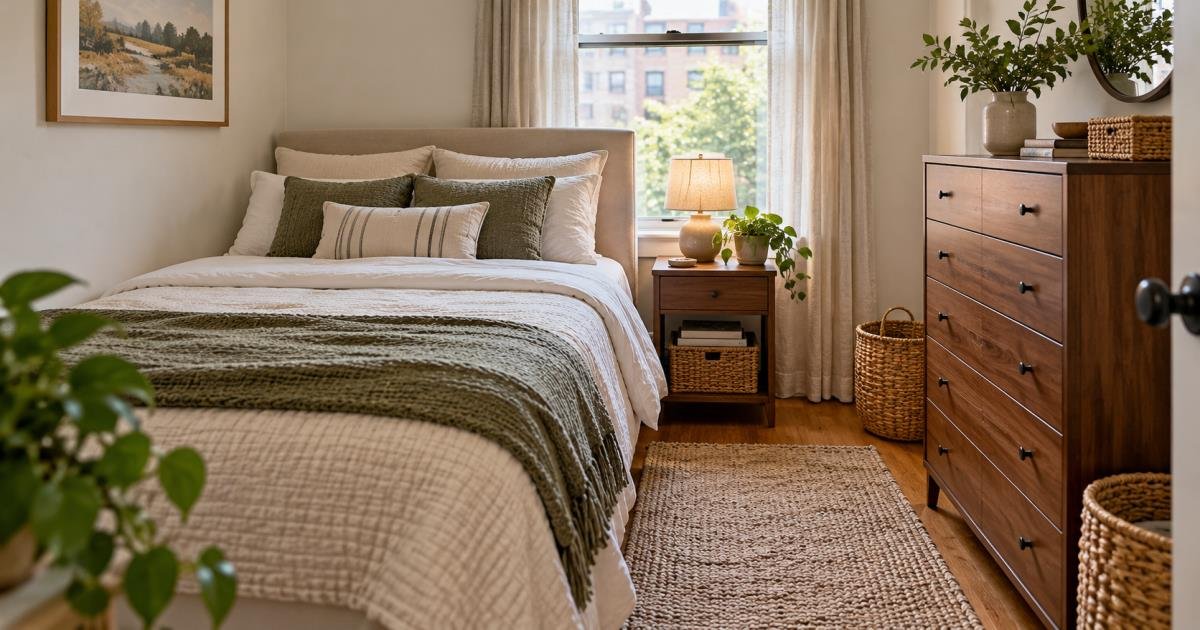
A small bedroom can feel restful and useful when it supports the routines that happen there: sleeping, getting dressed, putting away laundry, and storing a limited set of personal items. The answer is rarely more furniture. It is usually clearer priorities, better use of the space already available, and simple habits that keep surfaces from becoming storage.
Decide What the Room Needs to Do
Start by naming the bedroom's jobs. For most people, sleep and clothing storage come first. A desk, exercise equipment, hobby supplies, or a child's toys may need a place too, but every additional job competes for floor space and visual calm. Write down the activities that occur there in an ordinary week, then identify the items essential to each activity. This makes it easier to see what can live elsewhere.
Measure the room, the closet opening, the clear space around the bed, and any awkward areas under windows or beside doors. You do not need a detailed floor plan, but a few measurements prevent buying bins, shelves, or furniture that block a drawer or a walkway. Keep a path from the door to the bed clear; a crowded route makes a small room feel smaller and can be a trip hazard at night.
Clear One Zone at a Time
Do not empty a small bedroom all at once unless you can finish the same day. Begin with a single zone: the nightstand, the top of a dresser, one drawer, or the floor on one side of the bed. Sort items into keep in this room, move elsewhere, donate or recycle, and decide later. A small basket for items that belong in another room lets you finish the zone without repeatedly leaving the room.
Be honest about duplicates and delayed decisions. Five nearly empty lotions, tangled charging cables, old receipts, and clothing that needs a repair can crowd a tiny room without serving daily life. Keep the one or two products you use, give repair items a short deadline, and move paperwork to the household filing system. The goal is not bare surfaces; it is making every visible item easy to use and easy to return.
Make the Bed Area Work Harder
The bed occupies most of the room, so the space around it matters. Choose a nightstand only if it performs a real function, such as holding a lamp, glasses, medication, or a book. A narrow table, wall-mounted shelf allowed by the property owner, or small storage stool may work better than a bulky nightstand. Keep charging cords contained and avoid letting the bedside surface become a landing place for mail, cups, or laundry.
Under-bed storage can be useful for seasonal bedding, out-of-season clothing, or rarely used items, provided the area stays dry and clean. Use low containers with lids or zippered fabric bags, label them clearly, and leave enough room to slide them out without lifting the mattress. Do not use the space as a permanent hiding place for undecided clutter. If you cannot name what is in a container, it will not make the room function better.
Use Vertical Space Without Overcrowding the Walls
When floor space is limited, vertical storage can help, but it should not make the room feel closed in. A tall, stable dresser or one narrow bookcase can hold more than several short pieces of furniture. Put frequently used items between knee and shoulder height, and reserve the highest shelves for lightweight, occasional items. Anchor tall furniture according to the manufacturer's instructions, especially in homes with children or pets.
Wall hooks can hold a robe, bag, or tomorrow's outfit, but assign each hook one job. A crowded row of hooks quickly becomes a visible pile. In a rental, check the lease and use removable products only as directed; test a small hidden area first. Avoid placing heavy storage above the bed, and do not block windows, vents, smoke alarms, or access to a closet.
Create a Simple Clothing System
Small bedrooms benefit from a clothing system that matches laundry habits. Keep daily clothes together and store special-occasion or out-of-season items higher up or in another approved storage area. Divide drawers by category rather than trying to make every fold look perfect. Small open containers can separate socks, underwear, workout clothes, or accessories, while short stacks prevent clothing from falling over when one item is removed.
If the room has no closet, a garment rack can work when it is limited to a defined wardrobe and kept stable. Choose a rack with a lower shelf for a few shoes or baskets, leave room for air to circulate, and avoid overloading it. A garment rack filled beyond capacity looks and functions like an open closet explosion. Review what is hanging each season so the rack stays useful.
Keep a Five-Minute Closing Routine
The final step is a short reset before bed or before leaving for the day. Put dirty clothes in a hamper, return charging cables, clear the floor, and place tomorrow's essentials where you can find them. Five minutes prevents a week of small decisions from becoming a weekend project. If the routine feels too hard, remove one category from the room or give it a simpler home.
A small bedroom does not need to hold everything you own. It needs enough open floor, a reliable place for daily essentials, and a layout that makes rest possible. Begin with one zone, test the arrangement for a week, and adjust only where your real routine shows a problem.
Design a Desk or Getting-Ready Corner With Limits
When a bedroom must also hold a desk, make the work zone compact and specific. A small desk or wall-supported surface should hold current work, a lamp, and the supplies used most often—not every paper, cable, or hobby project. Add a shallow tray for pens and chargers, and use one lidded box or drawer for items that would otherwise collect on top. At the end of the day, put away work materials so the bed is not visually competing with a second office.
A getting-ready corner benefits from the same limit. Keep a mirror, a small container for daily products, and a basket for hair tools only if they can be stored safely after they cool. Avoid permanent countertop-style collections of products in a bedroom with little surface space. Review the container every month and remove empty, expired, or unused items before they take over the dresser.
Handle Shared Bedrooms With Clear Boundaries
In a shared room, each person needs an obvious place for daily belongings. Divide a dresser by drawers, a closet rod by side, or a shelf by labeled basket. Equal space is not always possible, but a clear agreement is better than storing everyone’s things in mixed piles. Give shared items, such as a laundry hamper or a bookcase, a simple rule for what belongs there.
Keep the floor especially clear in a shared bedroom. Use a single donation bag, one hamper, and one short evening pickup routine rather than several temporary piles. If a child shares the space, choose containers they can open and return independently. The easier it is for every occupant to put an item away, the more likely the organization will survive ordinary mornings.
Review What Is Not Working
After two weeks, notice where clutter reappears. If clothes collect on a chair, the hamper may be too far away or the closet may be too full. If a nightstand keeps filling with cups and papers, add a return trip to the kitchen and filing area to the daily routine. Repeated clutter is useful information: it points to a system that needs a closer home, a smaller category, or a clearer boundary.
Conclusion and next steps
Test one layout change for a week before buying another organizer. If clothing storage is the main obstacle, read the budget closet organization guide; if whole-room clutter keeps returning, use the decluttering guide first.