How to Create a Low-Maintenance Backyard Garden
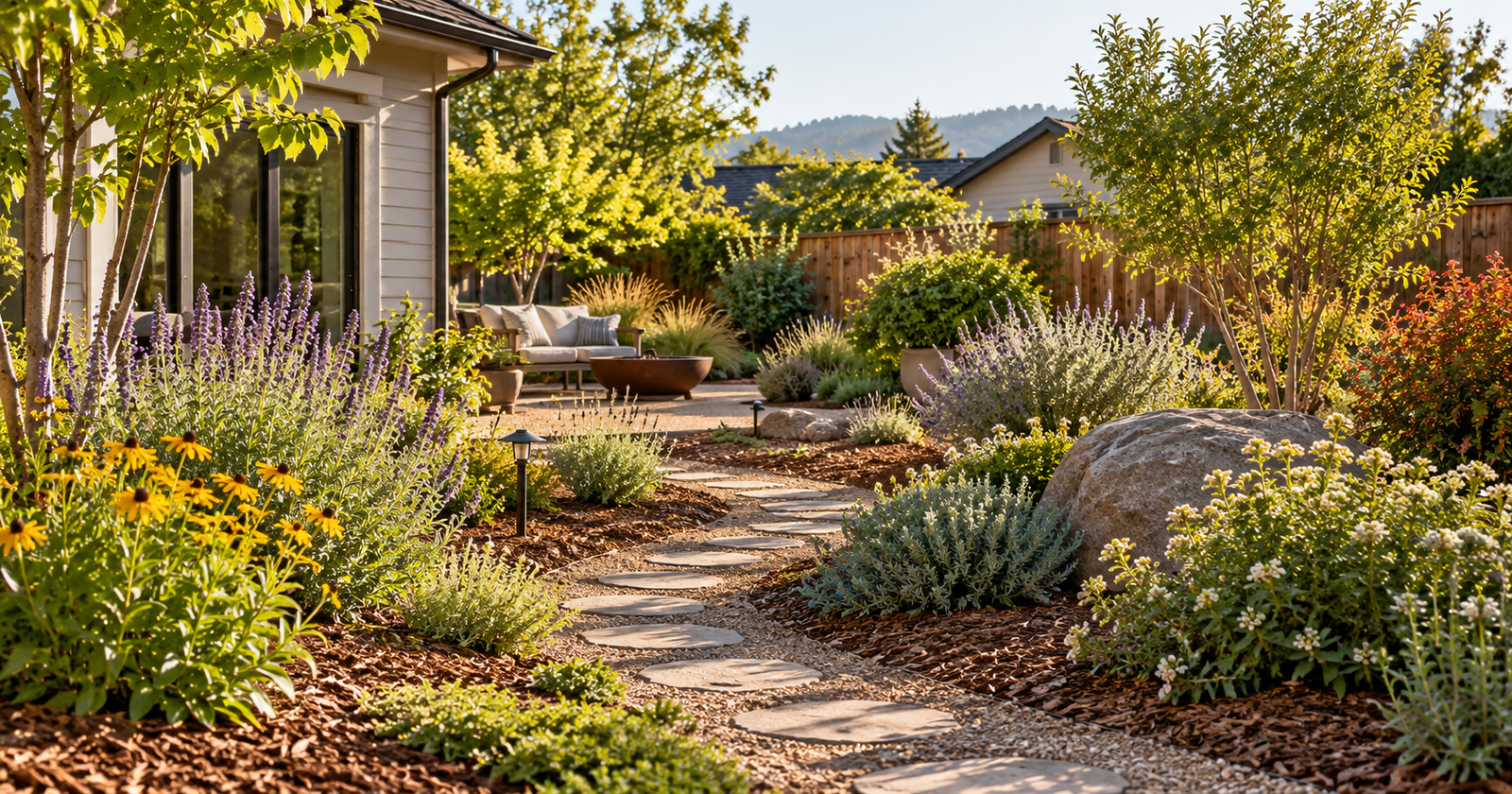
A low-maintenance garden is not a garden you ignore. It is a garden designed around the time, water, and attention you can actually give it. Fewer well-suited plants, clear paths, and simple seasonal routines are more useful than a complicated design that needs constant correction.
Design around conditions
Observe sun, drainage, wind, and traffic before planting. Put thirsty plants where you can reach them easily, and choose plants suited to your local climate instead of forcing a high-maintenance favorite into the wrong spot. Group plants with similar light and water needs so care is predictable.
Use fewer, repeated plant types
Repeat a small number of dependable shrubs, grasses, perennials, or groundcovers rather than buying one of everything. Repetition makes a bed look intentional and reduces the number of care instructions you must remember. Leave enough mature spacing for air movement and future growth.
Make paths and mulch do work
Defined paths keep feet out of soil and make maintenance easier. An appropriate mulch layer slows evaporation, limits weeds, and protects soil from heavy rain. Keep it away from trunks and stems, and refresh only as it breaks down rather than piling it deeply each year.
Choose a realistic watering plan
New plants need attention while roots establish; mature, well-sited plants usually need less. Check soil before watering, especially after rain. A simple soil-based watering routine is more reliable than treating every bed the same.
Plan seasonal tasks
Keep one short list for spring cleanup, midseason weeding, and fall observations. Remove diseased plant material when needed, prune only at appropriate times for the plant, and let local conditions guide timing. Avoid turning every weekend into a project.
Start with one easy zone
Improve one bed this season, then learn from it. The guide to choosing plants for your climate can help you narrow options, while improving soil with compost supports long-term resilience. A successful low-maintenance garden makes the next small improvement feel possible.