How to Keep Hardwood Floors Clean Without Overusing Water
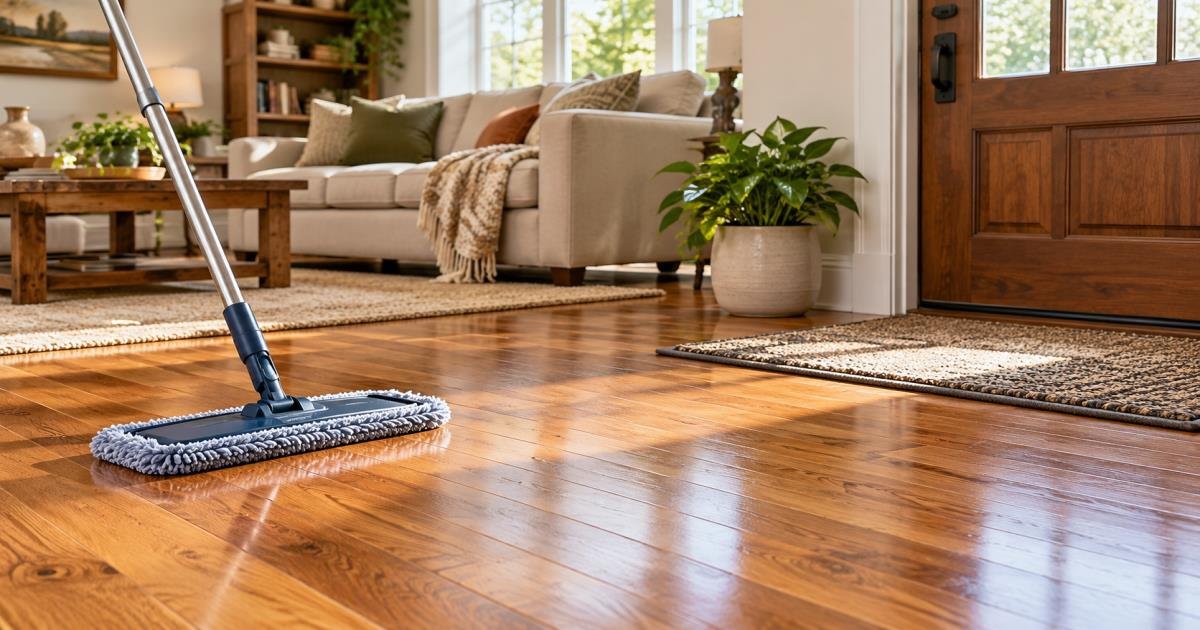
Hardwood floors usually stay in better condition when dirt is removed often and moisture is used sparingly. Water left in seams, under rugs, or along edges can affect wood and some wood-look finishes. A simple routine built around dry debris removal, prompt spill cleanup, and the floor maker's guidance is safer than frequent soaking.
Know What Type of Floor You Have
Before choosing a cleaner, identify whether the floor is solid hardwood, engineered wood, laminate, or another material. They can look similar but may have different care limits. Check installation records, the manufacturer's website, or a previous owner's information when possible. If the finish is worn, damaged, or unknown, use the gentlest method until you can confirm proper care.
Look for cupping, gaps, dull patches, loose boards, discoloration, or areas that feel soft. Those conditions may indicate moisture or structural concerns that cleaning will not solve. In a rental, document existing damage and report a suspected leak or moisture issue to the property manager rather than attempting a repair yourself.
Remove Grit Before It Scratches
Grit acts like sandpaper under shoes, chair legs, and pet paws. Sweep with a soft-bristled broom, use a dry microfiber mop, or vacuum with a setting designed for hard floors. Avoid a vacuum beater bar unless the manufacturer specifically says it is safe for the surface, because rotating brushes can scratch some finishes.
Place durable mats at exterior doors and ask household members to wipe shoes or remove them when practical. Shake or vacuum mats regularly so they do not become a source of trapped grit. Add felt pads to chair and table legs, checking them periodically for embedded debris or wear.
Use Moisture Only When It Is Needed
For ordinary soil, dry cleaning may be enough. When a damp clean is necessary, use a well-wrung microfiber mop or cloth—damp to the touch, not wet enough to leave standing water. Work in small sections and dry any visible moisture right away. Do not use a soaking mop, pour water directly on the floor, or let a cleaner pool along board edges.
Use a product only if it is approved for your floor type and finish. Avoid mixing cleaners or using a steam mop unless the manufacturer explicitly permits it. Heat and moisture from steam can force water into seams and may damage certain finishes, adhesives, or underlying materials.
Clean Spills Promptly and Gently
Blot a spill with a clean cloth as soon as possible. Lift food or sticky residue without scraping aggressively, then use the floor maker's recommended method if a mark remains. Dry the area after cleaning. A glass of water that sits for hours can create a bigger problem than a carefully managed damp mop used for a few minutes.
Pet accidents, wet boots, and plant saucers deserve extra attention because moisture may reach seams unnoticed. Use a waterproof tray under plants, clean up pet water around bowls, and make sure wet footwear has a place that does not drip onto wood. If an odor or stain persists, consult appropriate floor-care guidance before trying a strong chemical.
Build a Realistic Weekly Routine
High-traffic areas may need a quick dry sweep every few days, while less-used rooms can wait longer. Choose a weekly time to vacuum or dry mop, look under entry mats, and wipe small marks. Pair this with the simple cleaning routine so floor care does not become a separate, overwhelming project.
Deep cleaning should be occasional and based on use, not a rigid calendar. A home with pets, children, or frequent visitors may need more attention than a quiet apartment. Keep the routine proportionate to the actual dirt you see.
Prevent Wear From Furniture and Sunlight
Use furniture pads and lift heavy pieces instead of dragging them. Rotate rugs and movable furniture occasionally if sunlight reaches one part of the floor more than another. Window coverings can reduce intense direct sun, which may fade wood over time. Choose rug pads that are approved for wood floors; some materials can trap moisture or discolor a finish.
Do not use rubber-backed mats unless the floor maker approves them. If a rug develops a damp underside, remove it and allow both the rug and floor to dry. Prevention is less expensive and less disruptive than refinishing a damaged area.
When Cleaning Is Not the Answer
Persistent cupping, buckling, widespread finish loss, dark water stains, or a floor that feels unstable can require a flooring professional. Cleaning products will not repair water damage. Stop using methods that add moisture and identify the source of the problem before it spreads.
A careful floor routine is mostly about restraint: remove grit, use as little moisture as the floor needs, and respond quickly to spills. For a cleaner entry that protects floors, see the entryway clutter guide.
Choose Tools That Protect the Finish
A wide microfiber mop with removable, washable pads is useful because it collects fine debris without leaving a wet trail. Keep separate pads for dry dusting and damp cleaning, and wash them without fabric softener when the care instructions recommend it. Soft cotton cloths can work for small spills, but rough towels or heavily textured scrubbers may leave marks on some finishes.
Use a spray bottle only if it helps you control the amount of approved cleaner on a mop pad. Never use it to coat the floor. A few light applications in a small area are easier to manage than a glossy layer that has to be chased across the room. If a floor has grooves or beveled edges, inspect them after cleaning to make sure moisture did not collect there.
Adjust Care for Weather and Household Activity
Rainy, snowy, or muddy seasons often require more entryway attention than the rest of the year. Put a tray or washable mat where wet shoes can dry, empty it before it overflows, and clean salt or grit before it is tracked through the home. In dry seasons, lower humidity can make normal gaps between boards more noticeable; avoid trying to correct that appearance with excess water or unapproved products.
During gatherings, protect high-traffic routes with floor-safe mats and remind guests where wet coats, umbrellas, or shoes can go. After the event, dry-mop first, then spot-clean only where needed. This sequence prevents damp cleaning from moving grit over a large area.
Common Floor-Care Mistakes to Avoid
Using a cleaner too often, adding fragrance products, or polishing a floor without knowing the finish can create a cloudy layer that looks like dirt. Avoid home remedies that are not supported by the floor manufacturer. A product can smell pleasant and still leave residue, affect a protective coating, or make a floor slick.
Another mistake is waiting to investigate moisture because the floor looks fine from above. Check around dishwashers, refrigerators, exterior doors, and indoor plants. If a board changes shape or a seam darkens, act early. The right response may be drying the area, reporting a leak, or seeking a professional assessment—not another cleaning pass.
Conclusion and Next Steps
Protecting hardwood floors is a practical cycle: keep grit out, use minimal moisture, dry spills promptly, and stop when a condition suggests damage rather than dirt. Choose one small habit to start this week, such as checking the entry mat or dry-mopping the busiest path. Then use the simple cleaning routine to make that habit easy to repeat.