How to Clean a Refrigerator and Organize Food Safely
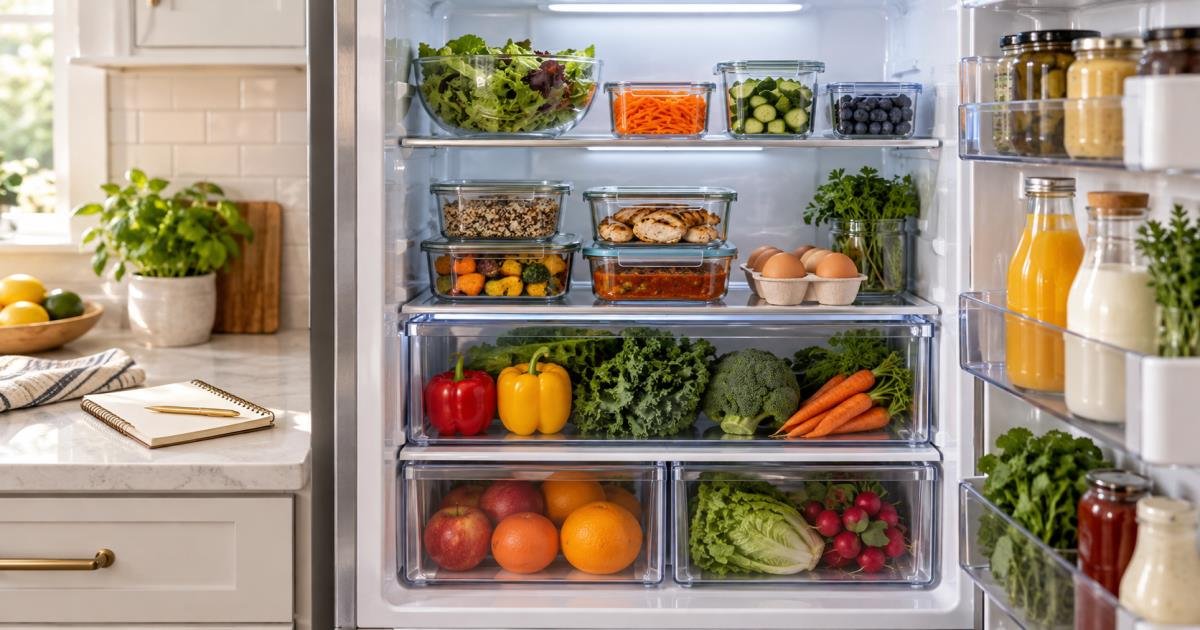
A refrigerator works better when food is easy to see, spills are handled quickly, and each shelf has a simple purpose. Cleaning and organizing it at the same time can reduce forgotten leftovers, make grocery shopping clearer, and help protect food quality without turning the task into an all-day project.
Start With a Short, Safe Setup
Choose a time when the refrigerator is not packed with a new grocery haul. Gather a cooler with ice packs if you expect the doors to stay open for more than a few minutes, clean cloths, mild dish soap, a small bowl of warm water, and a towel for drying. Check the appliance manual before removing shelves, drawers, or bins because some parts need a specific handling method.
Work in sections rather than placing all food on the counter at once. Take out one shelf or drawer, review the items, clean the area, return what belongs there, and move on. This keeps chilled food from sitting out unnecessarily and makes it easier to see what needs attention.
Review Food Before You Clean
Discard food that is spoiled, has an off odor, has visible mold where it should not, or is past a safe storage period. Check leftovers and opened items first because they are easy to forget. When in doubt about whether food is safe, consult current food-safety guidance from a reliable source rather than tasting it to decide.
Do not assume a printed date tells the whole story. Labels such as best by, sell by, and use by can have different meanings depending on the product and location. Mark homemade leftovers with the date they were prepared so the household can make clearer decisions later. Keep raw meat, poultry, seafood, and their packaging contained to prevent drips onto ready-to-eat foods.
Clean Shelves, Drawers, and Seals Gently
Remove crumbs and spills with a cloth, then wash removable parts using the method in the appliance manual. Let cold glass shelves reach room temperature before washing with warm water if the manufacturer warns against temperature shock. A mild soap solution and soft cloth are usually sufficient for routine soil. Rinse where needed and dry parts completely before reinstalling them.
Wipe the interior walls, door bins, and handles with a lightly damp cloth. Avoid harsh abrasives or strong fragrances around food storage. Clean the door gasket carefully with a soft cloth, checking for crumbs that prevent a good seal. If a gasket is torn, loose, or persistently moldy, contact the manufacturer or a qualified appliance service provider rather than trying to glue it in place.
Set Up Zones That Make Food Easier to Use
Use broad, practical zones instead of an elaborate labeling system. Keep ready-to-eat foods and leftovers together where they are easy to see. Give produce drawers a clear purpose based on the appliance design and the produce you buy most often. Store raw proteins on a lower shelf in a tray or container that can catch leaks.
Place frequently used items where household members can find them without moving everything else. A small clear bin for lunch items, a tray for condiments, or a dedicated leftover area can work well if it is reviewed weekly. Do not overpack shelves: cold air needs room to circulate, and a crowded refrigerator makes spills and forgotten food harder to notice.
Use Temperature and Storage Guidance
Keep the refrigerator at the temperature recommended by current food-safety guidance, and use an appliance thermometer if the built-in display is uncertain. The coldest and warmest spots can vary by model, so follow the manual when deciding where to place sensitive foods. Keep the door closed as much as possible while cleaning and return food promptly.
Freeze foods you will not use in time, using packaging that limits freezer burn and a date label. Do not refreeze or keep food based only on appearance when it may have been at an unsafe temperature. If there is a power outage or appliance failure, follow official local and federal food-safety guidance for deciding what can be kept.
Make the Refrigerator Easy to Maintain
Build a five-minute check into grocery day or the weekly home reset. Look for leftovers that should be used, wipe a small spill, return misplaced items, and update a short shopping list. This small habit prevents a larger cleanup later. Pair it with the weekly home reset guide or the paperwork routine if both errands and household tasks tend to pile up.
Clean the exterior handles and dispenser area as needed, using the appliance manufacturer's directions. Check the area underneath and behind the refrigerator only when it is safe to move the appliance and cords or water lines are not strained. A recurring leak, unusual noise, or unstable temperature is an appliance concern, not an organization problem.
Plan Groceries Around What You Already Have
Before shopping, scan the refrigerator for produce that needs to be used, an open container that can become lunch, or a leftover that should be planned into a meal. Write those items on the grocery list before adding more of the same category. This is not a strict meal plan; it is a quick way to avoid buying food that will be hidden behind a newer package.
When groceries come home, put the older item where it will be used first and place the newer item behind it when that arrangement is safe and practical. Do not crowd a shelf just to make every item fit. If a container is leaking, damaged, or difficult to close, transfer the food only if that is appropriate for the food and label the container clearly.
Reduce Cross-Contamination Risks
Use a washable tray or contained bin under raw proteins so a package leak does not reach fruit, leftovers, or ready-to-eat foods. Wash hands after handling raw food packages, and clean the tray promptly if a spill occurs. Keep produce and other foods separated in ways that make sense for the refrigerator design and the food-safety guidance you follow.
Do not use the refrigerator as a place to cool large hot pots for an extended time. Divide food into smaller, shallow containers when appropriate so it can cool more efficiently, and follow reliable food-safety instructions for the food you are handling. If someone in the household has a higher food-safety risk, take extra care with storage dates and preparation surfaces.
Common Organization Mistakes to Avoid
Buying several specialty bins before learning how the household uses the refrigerator can make cleaning harder. Start with the containers already there, then add one simple tray or bin only if it solves a recurring problem. Another mistake is storing food in a place that looks tidy but makes it invisible. Clear containers and one visible leftover zone are often enough.
Do not treat the refrigerator door as the right place for every item because it is convenient. Temperature can fluctuate more there depending on the appliance. Use the manual and current food-safety guidance for items that need consistent cold storage. A useful system protects food quality first and appearance second.
Conclusion and Next Steps
Food safety and organization work together when the refrigerator is clean, not overloaded, and reviewed often. Start with one shelf today, give raw foods a secure lower location, and make leftovers visible. Continue with the simple cleaning routine for repeatable kitchen care.