How to Prepare Your Home for a Power Outage
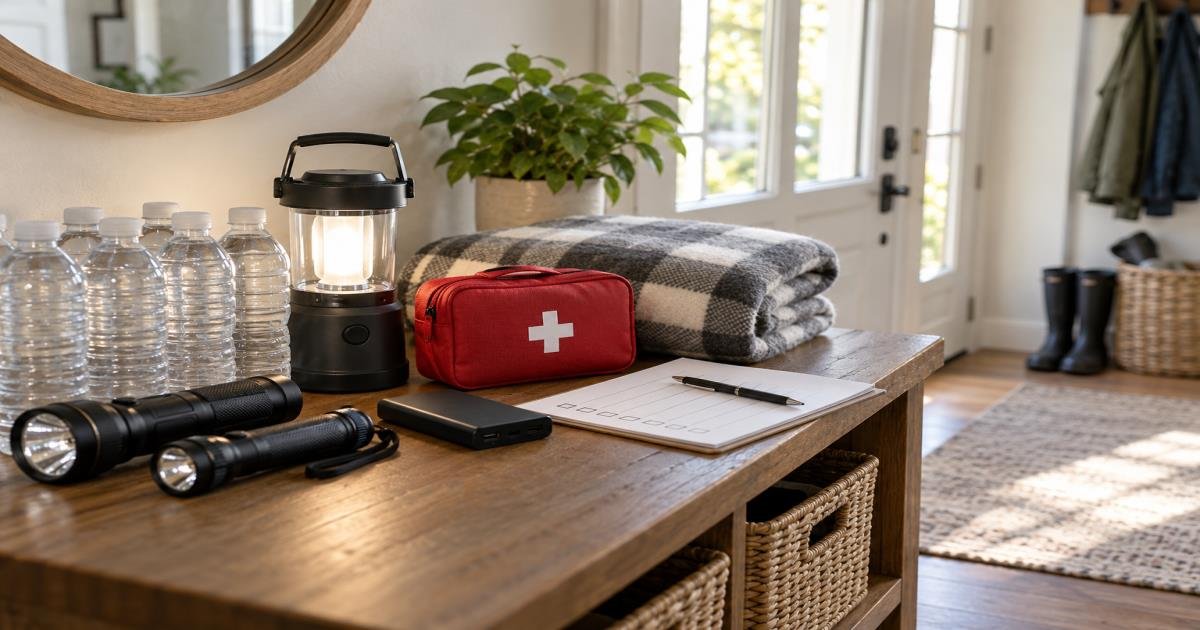
A power outage is easier to manage when basic decisions are made before the lights go out. A practical plan covers lighting, communication, food safety, medication, household members, and safe limits around generators and electrical equipment. Build a short plan that fits your home instead of buying a large collection of supplies you may never use.
Make a Household Contact Plan
Write down important phone numbers, meeting information, medical contacts, and the location of emergency supplies. Keep a paper copy where household members can find it if phones lose power. Discuss how children, older relatives, and pets will be cared for, and make sure everyone knows which rooms have flashlights and how to leave the home safely if conditions require it.
Prepare Safe Light and Communication
Keep working flashlights, spare batteries, and charged power banks in known locations. Avoid using candles as routine emergency lighting because open flames add a preventable fire risk. Charge phones before severe weather when possible and use battery-saving settings during an outage. Follow local alerts through reliable official channels when service is available.
Protect Food and Medication
Keep refrigerator and freezer doors closed as much as possible. Food safety depends on temperature and outage length, so follow current public-health guidance rather than relying on smell or appearance. If anyone in the household uses medication requiring refrigeration or powered medical equipment, discuss an outage plan with the prescribing clinician, equipment provider, or local support service ahead of time.
Use Generators and Fuel-Burning Equipment Safely
Never run a portable generator, grill, camp stove, or fuel-burning heater indoors, in a garage, or near doors and windows. Carbon monoxide can build up where people cannot see or smell it. Use only equipment as its manufacturer directs, keep working alarms in the home, and contact qualified professionals for transfer-switch or electrical-installation work.
Build a Compact Emergency Supply Area
Choose one accessible shelf, bin, or closet for supplies instead of scattering them around the home. Include flashlights, batteries, a manual can opener, basic first-aid supplies, drinking water, shelf-stable food that your household will actually eat, and any needed pet supplies. Rotate food and batteries during normal household checks so the kit does not become a collection of expired items.
Personal needs matter more than a generic checklist. Add infant supplies, mobility aids, hearing-aid batteries, glasses, sanitary products, or documents that your household relies on. Keep copies of insurance and contact information in a protected location. If evacuation may be required in your area, know what can be packed quickly and what must remain safely stored at home.
Before the Outage: Reduce Simple Risks
Charge phones, power banks, and essential devices when severe weather or utility work is expected. Fill clean containers only if local authorities recommend doing so. Bring outdoor furniture and loose items inside when high winds are forecast, and avoid parking under unstable branches. Check that smoke and carbon monoxide alarms are working according to manufacturer instructions.
Do not wait for an outage to discover that a garage door, gate, medical device, or sump pump depends on power. Learn the manufacturer-approved manual operation only when conditions are calm and safe. If the home has a backup battery, generator, or solar system, keep its manuals available and arrange professional service for concerns beyond ordinary owner maintenance.
During the Outage
Unplug sensitive electronics if safe to do so, leaving one light switched on so you notice when power returns. Use flashlights rather than open flames. Keep refrigerator and freezer doors closed, and conserve phone battery by limiting nonessential use. Avoid driving unless necessary; traffic signals, fuel stations, and road conditions may be affected.
If the home becomes too hot, too cold, or unsafe for someone in the household, use local public guidance to find appropriate support or a warming/cooling location. Check on neighbors only when it is safe, especially people who may need assistance. Treat downed power lines as dangerous and keep well away from them.
After Power Returns
Plan for Documents and Transportation
Keep identification, insurance information, prescription details, and emergency contacts together in a protected folder. A modest amount of cash may be useful when electronic payment systems are unavailable, but store it securely and only in an amount that makes sense for your household. If you rely on public transportation, an accessible vehicle, or help from relatives, include that information in the plan.
Agree on a contact person outside the immediate area when family members may be separated. A written plan reduces confusion when mobile networks are congested or batteries are low. Review it with everyone in the home, including older children who may be away at school or activities when an outage begins.
Keep the Home Safe Without Power
Use steps and hallways carefully, particularly at night. Keep flashlights where they can be reached without crossing a dark room, and avoid using ovens or grills to heat an indoor space. Do not use elevators during an outage. If flooding, storms, or extreme temperatures create an immediate danger, follow local emergency instructions.
Do not turn a dark house into a repair project. Wait for safe conditions before walking around the exterior, and never climb a ladder, inspect a roof, handle a damaged panel, or approach fallen power lines. A qualified professional can evaluate damage after conditions improve.
Review the Plan Twice a Year
Choose two dates each year to test flashlights, update contact numbers, rotate supplies, and discuss the plan. Replace expired items and update medications or mobility needs. A brief review is more useful than an elaborate emergency kit that nobody can locate.
Turn devices back on gradually rather than overloading outlets at once. Check for water, damaged cords, spoiled food, or alarms that need attention. Reset clocks and review the refrigerator and freezer according to official food-safety guidance for the length and conditions of the outage. Document damage with photographs before cleaning it up if an insurance claim may be needed.
Conclusion and Next Steps
Consider Your Home's Particular Needs
An apartment, rural property, city townhouse, and multigenerational home do not face an outage in the same way. Think through building access, water service, elevators, heating, pets, outdoor conditions, and the people who may need extra support. If you rent, know how to report an outage-related building problem and keep the property manager's contact information with your plan.
Plan for comfort without making unsafe substitutions. Extra blankets, appropriate clothing, battery lighting, and a way to receive official alerts are often more useful than complicated equipment. Households using powered medical devices should create an individualized plan with the relevant provider before an outage, rather than waiting for an emergency to identify a backup option.
Power-outage preparation works best when it is specific, modest, and practiced. Keep supplies organized, protect household members who have particular needs, use fuel-burning equipment only as directed, and follow official local information during an event. Add a brief review to your home maintenance checklist so the plan stays current.