A Beginner’s Guide to Creating a Basic Home Maintenance Checklist
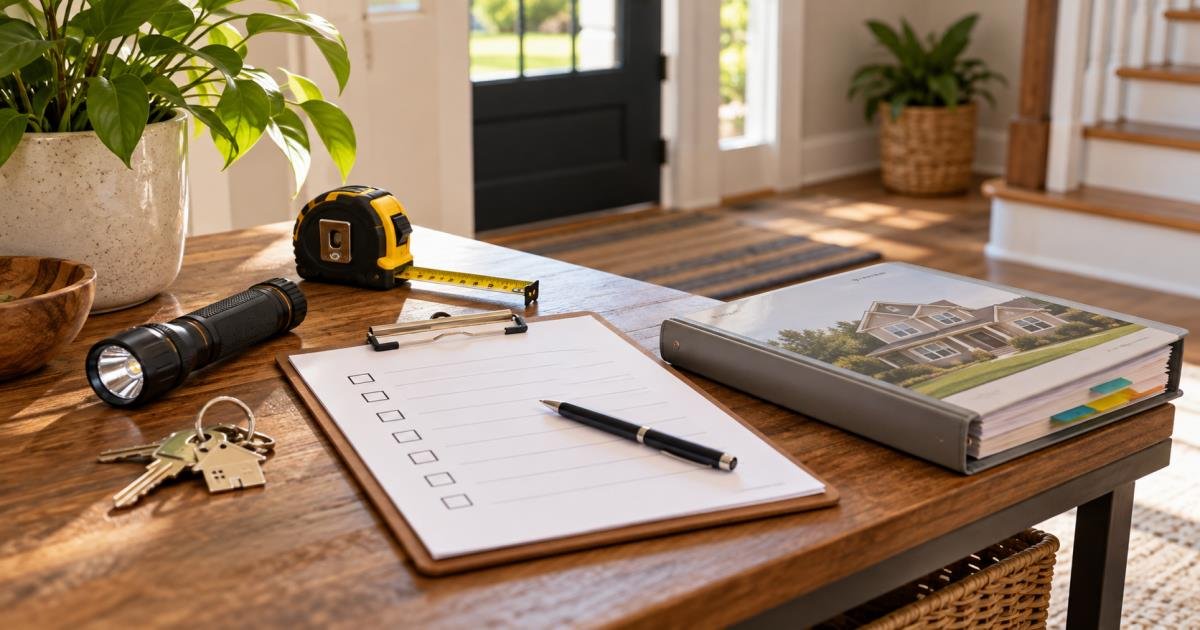
A home maintenance checklist is not a list of every repair a homeowner might ever face. It is a way to notice small changes before they become expensive, inconvenient, or unsafe. The best checklist is short enough to use, matched to the age and systems of the home, and clear about when ordinary upkeep should stop and a qualified professional should take over.
Start With Your Home’s Actual Systems
Walk through the home with a notebook or phone and list the systems you can identify: heating and cooling equipment, water shutoff location, electrical panel, smoke and carbon monoxide alarms, plumbing fixtures, appliances, windows, doors, roof drainage, and outdoor areas. Do not open panels, climb onto a roof, or inspect anything that would put you at risk. The goal is to know what exists and where basic information is kept.
Gather manuals, warranty information, model numbers, and service records in one place. A simple paper folder or secure digital folder is enough. Knowing the model number of a furnace, refrigerator, or water heater makes it easier to locate manufacturer guidance later. If you rent, keep maintenance requests and lease-related information with the same records.
Choose Tasks by Frequency
Divide the checklist into monthly, seasonal, and annual reminders. Monthly tasks should be quick and observable, such as checking for leaks under sinks, testing alarms according to their instructions, looking at visible caulk, and clearing lint from the dryer area as the appliance manufacturer directs. Seasonal tasks can include checking outdoor drainage before heavy rain or reviewing window screens before warm weather.
Annual tasks may include scheduling qualified service for systems that require it, reviewing insurance records, and inspecting a home for changes that developed slowly. Do not add a task simply because it appears on a generic online checklist. A condo, apartment, new-build home, older house, and rural property can have very different responsibilities.
Make a Safe Monthly Walk-Through
Choose one day each month for a 15-minute walk-through. Look under sinks and around toilets for moisture, check that doors and windows close normally, notice unusual odors near appliances, and make sure walkways are clear. Look for visible changes rather than trying to diagnose a problem: staining, dripping, rust, peeling paint, loose handrails, or a new sound from equipment are all useful observations.
Write down the date and what you found. A note such as “small drip under kitchen sink, observed October 28” is more useful than relying on memory. If the same concern appears again, you have a clearer record for a property manager or professional. Do not ignore a problem simply because it is small; early reporting often prevents more damage.
Understand Basic Water and Drainage Checks
Water can cause damage quietly. During a normal walk-through, inspect visible supply lines, appliance connections, the area around a water heater, and ceilings below bathrooms for unexplained moisture. Outside, check whether gutters, downspouts, and ground surfaces direct water away from the foundation. Do not climb ladders, walk on a roof, or attempt gutter work unless you have the proper equipment, skill, and safe conditions.
Know where the main water shutoff is located before an emergency, but do not force a valve that is corroded or difficult to move. Ask a plumber or property manager for guidance if you are unsure. A visible leak, sewage odor, sudden loss of water pressure, or recurring drain backup needs prompt professional attention.
Keep Heating, Cooling, and Ventilation in View
Use only the filter type and replacement method approved for your heating and cooling system. Check the manual for the correct size, airflow direction, and schedule. A future HVAC filter guide will cover that task in detail. Keep vents unblocked by furniture and avoid storing items near equipment that needs clear space for safe operation.
Notice changes such as weak airflow, unusual noise, burning smells, water near equipment, or repeated temperature problems. Those are not do-it-yourself diagnosis projects. Shut off equipment only if the manual or a qualified professional advises it, and schedule appropriate service instead of repeatedly resetting a system that is not operating normally.
Review Safety Devices and Everyday Hazards
Follow the manufacturer instructions for testing smoke alarms and carbon monoxide alarms, and replace batteries or the device itself according to those instructions. Keep fire extinguishers accessible and check their gauges or service labels as applicable. Never disable an alarm because it is inconvenient; identify the cause of frequent nuisance alerts and address it safely.
Look for loose rugs, unstable railings, frayed cords, overloaded outlets, and blocked exits. These are practical issues a household can often correct by changing a layout, replacing a damaged item, or reporting a building problem. Electrical repairs, gas appliances, structural damage, and hazardous materials require qualified help.
Keep the Checklist Useful
Put the list where you will use it: a calendar reminder, a notes app, or a printed sheet near household records. Check off what was completed and add a short note only when something needs follow-up. A list that takes an hour to update will probably be abandoned; a short list that leads to action is more valuable.
Connect routine maintenance to tasks already happening in the home. When you clean the refrigerator, glance at the floor beneath it. During a seasonal reset, check window latches and outdoor mats. The weekly home reset guide can make these small observations part of an existing rhythm.
Create a Seasonal Reminder List
Use seasons as prompts, not deadlines that override weather or safety. Before a rainy period, look at drainage paths and exterior doors. Before colder weather, review window and door drafts, outdoor hoses, and the availability of emergency supplies. In spring, look for winter damage around walkways and outdoor furniture. Your climate, building type, and local rules determine which checks make sense.
A seasonal list should remain short. Choose two or three observations that matter for your home rather than copying a long checklist for a different region. If a task involves heights, electrical equipment, gas lines, structural work, or specialized tools, schedule qualified help instead of adding it to a do-it-yourself weekend.
Decide What Needs Attention First
When the list contains several concerns, rank them by safety, active water damage, likelihood of worsening, and effect on daily use. A dripping supply line or blocked exit deserves faster action than a cosmetic scuff. Write the next concrete step: “call property manager,” “find appliance manual,” or “schedule service.” A vague note such as “fix bathroom” is easy to postpone.
Keep receipts, photographs, and messages for work that affects the home. In a rental, written records can clarify what was reported and when. In an owned home, they create a service history that can help with future maintenance or a later sale. The checklist becomes useful when it leads to a decision, not when it becomes another collection of unfinished reminders.
Conclusion and Next Steps
A basic checklist helps you observe your home with more confidence while respecting the limits of beginner maintenance. Learn where key systems are, record visible changes, and call the appropriate professional when safety or technical knowledge is involved. Start with one monthly walk-through, then add only the reminders that genuinely fit your home.