25 Ways to Earn Extra Income With Gardening Skills
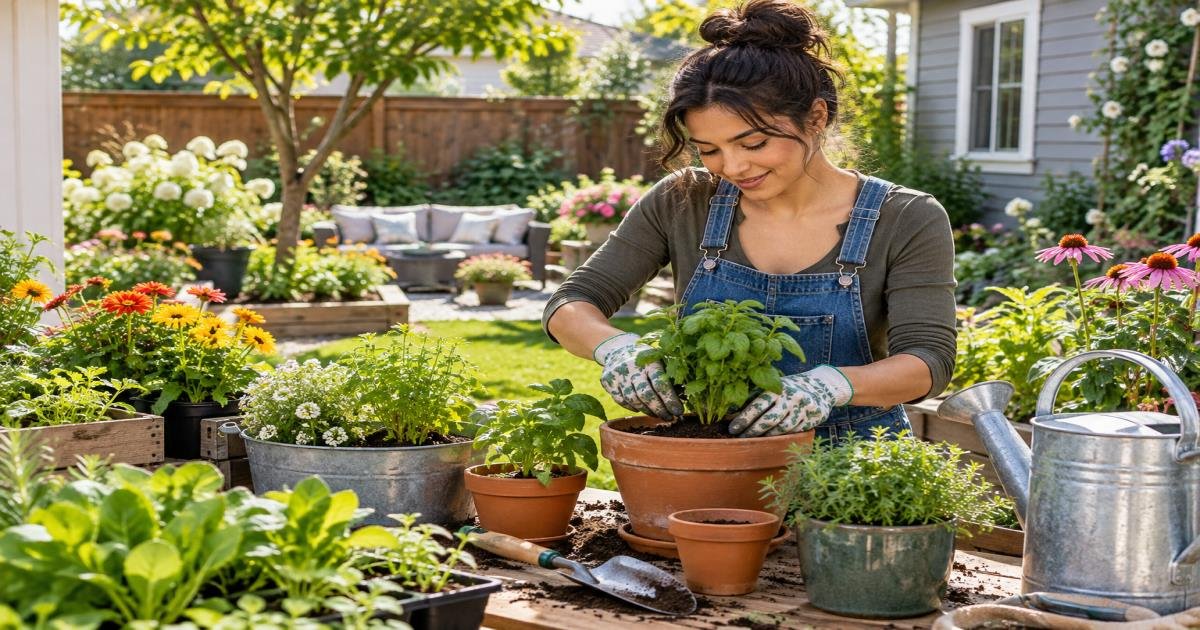
Gardening skills can be useful beyond your own yard. They can help you offer practical services, grow small batches of plants, or support people who want healthier, more usable outdoor spaces. None of these ideas guarantees income. Demand, local rules, weather, insurance, transportation, and experience all matter. The best starting point is a service you can perform safely, explain clearly, and deliver consistently.
Start With Skills You Can Demonstrate
Before offering work, practice on a small space and document what you can do. Learn to identify common tools, read plant labels, clean up after a task, protect a client’s property, and say when a job is outside your ability. Many gardening tasks appear simple until weather, irrigation, pests, or access becomes part of the work. Reliability and careful communication are as valuable as enthusiasm.
1. Seasonal Yard Cleanup
Offer leaf removal, light weeding, bed cleanup, and collection of small debris where local disposal rules permit. Define the scope in writing: which beds, how bags are handled, and whether hauling is included. Avoid tree work, roof access, or heavy branches without appropriate training and equipment.
2. Container Garden Setup
Help apartment residents and homeowners choose containers, arrange them for sun exposure, and plant herbs, flowers, or ornamentals. The value is in planning for available space, drainage, and watering habits rather than simply selling pots. Explain that plant performance depends on conditions and ongoing care.
3. Plant Propagation
Learn to propagate plants legally and responsibly from material you are allowed to use. Label varieties accurately, keep plants healthy, and check local rules before selling. Small propagated plants can be useful at community markets or neighborhood sales, but quality control and honest labeling matter.
4. Raised-Bed Garden Preparation
Assist with measuring a suitable location, assembling approved kits, adding growing medium, and setting up a simple planting plan. Confirm utility locations and property rules before digging or placing structures. Do not represent basic garden assembly as structural landscaping work.
5. Weekly Garden Check-Ins
A recurring visit can include watering according to the owner’s plan, removing visible weeds, checking containers, and reporting concerns. Keep notes rather than making unverified diagnoses. This service suits clients who travel or need help keeping up with small tasks.
6. Herb Garden Installation
Design a compact herb setup near a kitchen, patio, or balcony. Teach the owner how to harvest without weakening the plants and how sunlight affects growth. Use containers when rental rules or poor soil make in-ground planting unsuitable.
7. Flower Bed Refreshes
Refresh a small established bed by removing spent annuals, adding suitable seasonal plants, and applying mulch as the product label directs. Work from a simple color plan and leave access around existing shrubs. Do not promise that every plant will bloom equally in every microclimate.
8. Garden Tool Cleaning and Organization
Some households need help cleaning hand tools, organizing a shed, labeling supplies, and creating a simple maintenance station. This is a lower-risk way to demonstrate care and organization while avoiding repairs to powered equipment.
9. Balcony Plant Care
Offer practical care for balcony containers: checking drainage, refreshing potting mix when appropriate, pruning dead growth, and repositioning plants for available light. Confirm building policies before bringing soil, water, or large planters into a shared property.
10. Garden Planning Sessions
A planning session can help a beginner choose a small goal, map sun exposure, and select a manageable number of plants. Present it as education, not a promise of a particular harvest or property value. Suggest local extension resources for region-specific questions.
11. Seedling Starter Kits
Prepare simple, labeled kits with permitted seeds, clean containers, growing medium, and concise care instructions. Check local rules and seed-labeling requirements before selling. The useful part is making a beginner’s first step less confusing, not overstating how quickly every seed will grow.
12. Mulch and Bed-Edging Help
Assist clients with light mulch spreading and defining simple garden-bed edges. Measure quantities carefully, keep mulch away from stems and siding, and confirm where materials can be delivered. Refer large landscape changes, grading, and drainage work to qualified professionals.
13. Houseplant Care Visits
Water, inspect, rotate, and remove dead leaves from indoor plants while a client travels. Agree in advance on access, watering preferences, and which plants need special attention. Report signs of pests or decline instead of applying products without permission.
14. Pollinator-Friendly Planting Assistance
Help homeowners create small beds with plants suited to their region and available light. Use locally appropriate recommendations and explain that pollinator activity changes with season and conditions. Avoid claiming that a particular plant will solve every wildlife or pest concern.
15. Garden Recordkeeping
Create a clear garden binder or digital log with plant lists, photos, irrigation notes, seasonal tasks, and receipts. This service is especially useful for new homeowners who inherited an established yard and need a practical way to understand it over time.
16. Patio Refresh Projects
Arrange existing planters, clean outdoor surfaces with suitable methods, and suggest a small seasonal display. Confirm that cleaning products are appropriate for the material and that shared-building rules allow the work. Keep the project focused on appearance and maintenance, not structural changes.
17. Vegetable-Garden Support
Offer basic help with planting calendars, spacing, labels, and routine observation. Be honest about climate differences and direct clients to local extension information for pest, soil, or food-safety questions. A useful service helps people learn rather than creating dependence on vague advice.
18. Garden Photo and Inventory Service
Photograph beds, label visible plants when known, and make a seasonal inventory for a homeowner. Good before-and-after records can support planning, maintenance, and communication with future service providers. Do not identify plants with certainty when you are unsure.
19. Compost Setup Guidance
Help a household choose a suitable small compost system, understand acceptable materials, and create a routine for turning or monitoring it. Local rules, pests, and space limitations matter, so avoid recommending food-waste composting where it is not appropriate.
20. Simple Irrigation Observation
Check visible drip lines, timers, and dry containers for obvious issues, then report findings to the owner. Do not alter plumbing, backflow devices, buried lines, or electrical controls without training and authorization. Observation and clear notes are valuable services on their own.
21. Seasonal Planter Changeovers
Replace spent seasonal plants in containers, clean pots, and arrange new combinations suited to the available light. Ask about pets and watering habits first, and explain that severe weather may change the care plan.
22. Garden-Shed Organization
Organize hand tools, pots, labels, gloves, and supplies into clear zones. A simple inventory reduces duplicate purchases and makes seasonal work easier. Do not repair powered tools or store chemicals with food or pet supplies.
23. Small Garden Workshops
Host a modest educational session on container planting, seed starting, or basic tool care when local rules allow it. Share only what you can demonstrate, provide a clear handout, and recommend local experts for region-specific problems.
24. Outdoor Plant Shopping Assistance
Help a client make a focused nursery list based on sun, space, budget, and maintenance preferences. Review labels together and discourage impulse purchases that will outgrow the site. The client should understand the care commitment before buying.
25. Basic Garden Maintenance Packages
Combine low-risk tasks into a defined visit: light weeding, deadheading, container checks, cleanup, and a written update. State what is included, what is not included, and how weather affects scheduling. A narrow, dependable package is easier to deliver well than a vague promise to handle every outdoor issue.
Choose One Service and Learn It Well
Pick one idea that fits your space, tools, transportation, and current knowledge. Practice it, create a checklist, and ask for local feedback. Gardening can create useful opportunities, but the lasting value comes from safe work, accurate communication, respect for property, and knowing your limits.